The Hidden Price Tag on That Jar of Homemade Kimchi (It's Higher Than You Think)

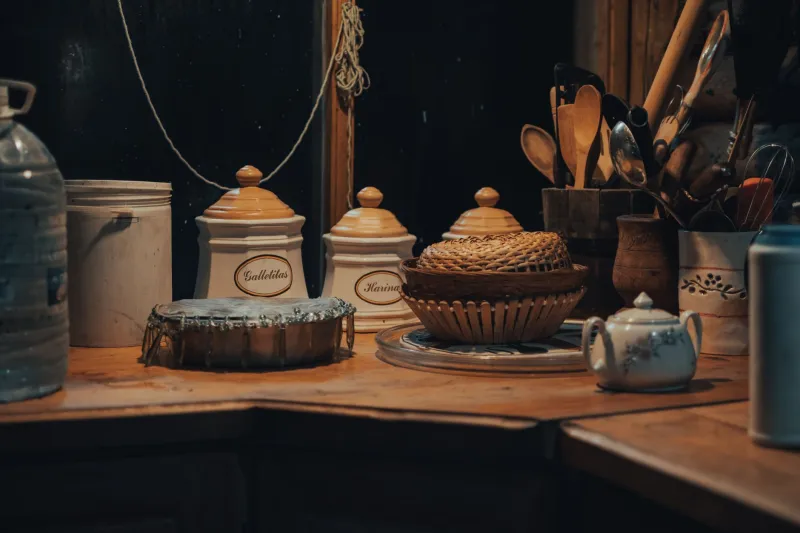
Photo by Photo by Grace Anne Bobadilla on Unsplash on Unsplash
There's a certain satisfaction that comes with pulling a perfectly funky jar of homemade kimchi out of your fridge. You made that. From scratch. With your own hands. And somewhere in the back of your mind, you're probably congratulating yourself on saving money compared to buying from a small producer.
Here's the thing, though: you might not be saving as much as you think. Or anything at all.
This isn't a discouragement. Home fermentation is genuinely rewarding, culturally rich, and worth doing for a hundred reasons that have nothing to do with dollars. But if economics is part of your reasoning — and for a lot of people, it is — then it's worth doing the actual math. All of it. Including the parts most fermentation guides quietly skip over.
The Gear Nobody Warns You About
Let's start with equipment, because this is where the sticker shock tends to hit first-time fermenters hardest.
You can technically ferment in a mason jar you already own. But if you're serious about results — and especially if you're making kombucha — you'll likely end up investing in more purpose-built gear. A quality ceramic fermentation crock with weights can run anywhere from $40 to $120 depending on size and origin. A glass kombucha brewing vessel? Add another $30 to $60. Then there's the airlock lids, the pH strips, the thermometer strips, maybe a heating mat for winter ferments. Individually, none of these feel like much. Together, your startup cost for a reasonably well-equipped home fermentation setup can easily land between $150 and $300 before you've bought a single vegetable.
These are one-time costs, yes — but they need to be amortized across your batches to get an honest per-jar figure. If you make one batch a month and your setup cost you $200, you need to make a lot of kimchi before that investment becomes negligible.
Starter Cultures: The Cost of Living Ingredients
Fermentation depends on living cultures, and living things cost money to source — and to maintain.
A SCOBY for kombucha brewing is often shared freely between home brewers, which is wonderful. But if you're starting from scratch and buying one, expect to pay $15 to $30 for a quality culture with starter liquid. Kefir grains — whether milk or water variety — run a similar range. Specialty miso starters (koji spores) can go even higher, sometimes $20 to $40 for a small packet.
And these cultures need feeding. A continuous kombucha brew means you're going through sweet tea regularly to keep your SCOBY healthy between batches. That's not free. Neither is the organic whole milk you're fermenting into kefir, or the high-quality soybeans going into your miso. The raw ingredients for a single gallon of kombucha — tea, sugar, filtered water — might only cost a dollar or two, but they're a recurring cost that compounds over time.
The Electricity Nobody Counts
This one is almost universally ignored, and it's a real cost.
Fermentation is temperature-sensitive. Most lacto-ferments like sauerkraut and kimchi do fine at room temperature through much of the year, but kombucha prefers a consistent 75°F to 85°F range. In a drafty apartment in Chicago in January, maintaining that without a seedling heat mat or a dedicated fermentation chamber isn't realistic.
A basic heat mat draws around 15 to 25 watts. Running one continuously for a month adds up to roughly 11 to 18 kilowatt-hours — which, at the US average electricity rate of about $0.16 per kWh, translates to $1.75 to $2.90 per month. That's not devastating, but it's also not zero. And if you've graduated to a dedicated fermentation chamber — a repurposed mini-fridge with a temperature controller — you're looking at meaningfully higher energy use, and a device that itself cost $80 to $200 to set up.
The Ingredient Premium You Might Be Undervaluing
If you're fermenting for health reasons — and most people reading this probably are — you're likely reaching for quality inputs. Organic napa cabbage. Non-iodized sea salt (iodine inhibits fermentation). Korean red pepper flakes from a reputable source. Fish sauce with no additives. These things cost more than their conventional equivalents, and they should.
A solid batch of kimchi using quality ingredients — enough to fill a half-gallon jar — might require $12 to $18 in produce, salt, and aromatics. That's before any of the overhead costs above. Suddenly, that jar isn't quite as cheap as the $8 price tag on a grocery store product might make it seem. And it's not far off from what a small artisanal producer charges for a jar made with the same care.
The Cost That's Hardest to Quantify: Your Time
Here's where things get genuinely personal.
Fermentation isn't passive. Yes, the microbes do the heavy lifting, but you're still doing prep work — chopping, salting, massaging, tasting, monitoring pH, burping jars, skimming kahm yeast, doing dishes. A batch of kimchi might take 45 minutes to an hour of active work. A kombucha brew cycle involves multiple check-ins over 7 to 14 days. Miso is a months-long commitment.
What is your time worth? If you value it at even $15 an hour — below federal minimum wage proposals being discussed right now — a single hour of fermentation labor adds $15 to your batch cost. Two hours, and you've already exceeded what many small producers charge for a finished product.
This isn't an argument against doing it yourself. There's value in the craft, in the learning, in the connection to tradition that no dollar figure can capture. But if you're doing it primarily to save money, it's worth being honest with yourself about what your time actually costs.
So When Does DIY Make Sense?
All of that said, home fermentation absolutely makes economic sense — under the right conditions.
If you're fermenting in high volume (multiple gallons at a time), your per-unit costs drop significantly. If you already own the equipment and have recouped that startup cost, each new batch becomes genuinely cheap. If fermentation is a hobby you'd be doing anyway — something that brings you joy, grounds you in a practice, connects you to your heritage — then the economics are almost beside the point. You're paying for an experience, not just a product.
And if you're a curious beginner who wants to understand what fermentation really is before buying it in a bottle? There's no substitute for making it yourself, cost be damned.
Why Artisanal Producers Charge What They Do
Small fermentation makers — the folks behind the brands you find at farmers markets and independent grocers — are running the same math above, plus commercial rent, licensing, labeling, food safety certification, and labor costs that are even harder to absorb at small scale.
When you see a $14 jar of small-batch kimchi and feel the sticker shock, remember: that price reflects living wages (or an attempt at them), quality sourcing, and years of craft knowledge. It's not markup for its own sake. It's the actual cost of doing fermentation right, at a scale that can serve a community.
At Hale Fermented, we believe both paths — making it yourself and supporting the makers doing it for you — have real value. What matters is going in with eyes open, knowing what you're actually choosing between. Because an informed choice is always a better one.