Before You Spend a Dime: The Real Math Behind Your First Jar of Fermented Pickles
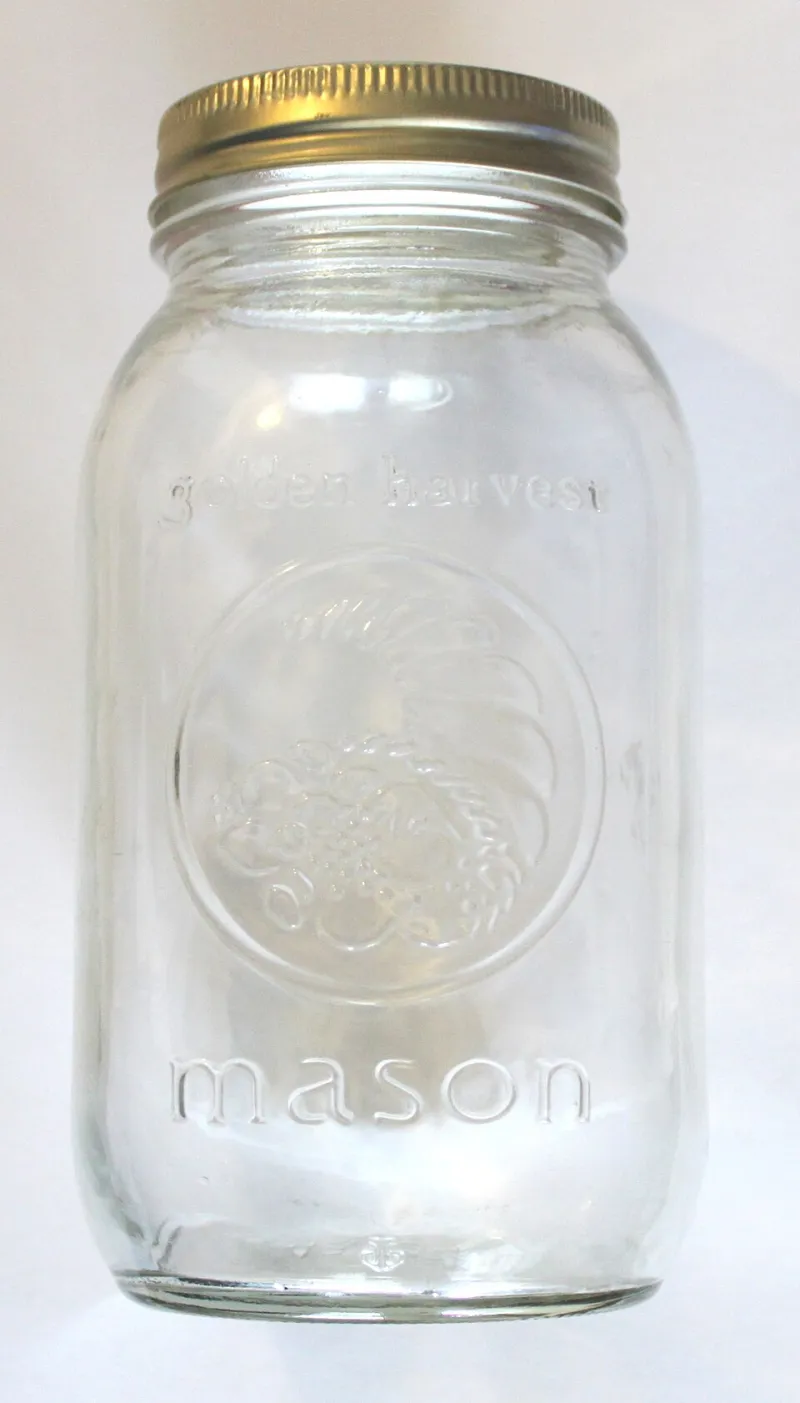
Photo: Dwight Burdette, CC BY 3.0, via Wikimedia Commons
Let's be honest about how most people get into fermenting: you're standing in the refrigerated section of a natural foods store, holding a small jar of locally made pickles that costs more than a fast food combo meal. You think, I could probably make this.
Then you find out whether you're right — and what it actually costs to try.
The Sticker Shock Is Real (In Both Directions)
Artisanal fermented pickles typically run $10 to $15 a jar. That's not price gouging; small-batch fermentation is labor-heavy, shelf-life-limited, and refrigerated shipping is brutal. But it does mean a pickle-hungry household can easily drop $50 a month on ferments.
The question isn't whether homemade is cheaper. It's when it becomes cheaper. Because batch one? Batch one is an investment.
What You'll Actually Buy for Batch One
Here's a realistic starter list, priced at national averages:
- Half-gallon mason jars (2-pack): $14 — you want two because fermentation is a two-batch game from day one
- Fermentation weights (or a spare cabbage leaf and a zip-top bag): $0–12
- Airlock lids (optional but nice): $10 for a set
- Unrefined sea salt, 1 lb: $6 — this lasts for dozens of batches
- Pickling cucumbers, 2 lbs at the farmers market: $4
- Garlic, dill, spices from your own kitchen: $2
Total: somewhere between $26 and $38, depending on how much gear you buy upfront.
Now here's the part nobody puts on the Pinterest boards: assume your first batch fails. Maybe it molds because your room ran warm. Maybe you used table salt with anti-caking agents and the brine went cloudy and strange. Most beginners lose their first attempt. Budget for it. Your true first-batch cost is closer to $35–45, because you'll buy cucumbers twice.
The Break-Even Point
Once you own jars and salt — and you always will — your marginal cost per batch is basically produce: roughly $5–6 for two pounds of cucumbers, yielding about a quart of pickles. That's $2.50–3 per jar versus $10–14 retail.
If you go through a jar a week, you're saving $7–11 per jar. You'll recoup your initial gear investment in about four to six weeks. If you ferment year-round — pickles in summer, kraut in fall, hot sauce whenever the peppers pile up — a home fermenter easily saves $300–500 a year.
What Money Can't Buy (And What It Can)
There's a case to be made that the $14 jar is still worth it. You're paying for consistency, for someone else's failed batches, for a living tradition kept by a real person in your state. We're not here to talk you out of supporting small fermenters — we are small fermenters.
But there's something the retail jar will never give you: a crock of brine on your counter, bubbling quietly, that you made with your own hands for the cost of a coffee. The break-even isn't just financial. It's the moment you stop being a customer and start being a keeper of the craft.
Your Beginner Shopping List, Condensed
- Two half-gallon mason jars
- One bag of unrefined sea salt
- Two pounds of farmers market cucumbers (buy extra — trust us)
- Dill, garlic, mustard seed, grape or horseradish leaves for crispness
- Patience. It's free, and it's the one ingredient you can't substitute.
Start there. Fail once, maybe. Succeed the second time. And by October, do the math again — you'll be the one telling friends it's cheaper to make it yourself. Because now, it actually is.