Train Hard, Ferment Smart: What Athletes Are Getting Wrong About Probiotics and Performance
The Recovery Gap Nobody's Talking About
Walk into any gym in America and you'll find people who have strong opinions about protein timing, creatine loading, and the precise carbohydrate window after a long run. These same people often have zero thoughts about fermented foods — or if they do, it's vaguely dismissive. Kimchi is for digestion. Kombucha is a wellness thing. Neither has anything to do with a PR on the squat rack.
That assumption is increasingly hard to defend.
A growing body of research — still early, still evolving, but genuinely compelling — suggests that the gut microbiome plays a meaningful role in athletic performance, recovery, and endurance. And fermented foods, as one of the most effective ways to support microbial diversity, are starting to attract serious attention from sports nutrition researchers who previously wouldn't have given them a second look.
What Your Gut Has to Do With Your Training
The connection between gut health and athletic performance isn't obvious, but it makes a lot of sense once you understand what the microbiome actually does.
First, there's nutrient absorption. You can eat a perfectly calibrated diet — optimal macros, high-quality protein, complex carbohydrates — and still underperform if your gut isn't efficiently extracting and delivering those nutrients. A compromised or low-diversity microbiome creates a bottleneck in the system. Fermented foods, particularly those rich in lactic acid bacteria like sauerkraut, kimchi, and yogurt, have been shown to enhance the bioavailability of key nutrients including iron, zinc, and B vitamins — all of which are critical for energy metabolism and muscle function.
Second, there's inflammation. Intense exercise is inherently inflammatory. That's not a bad thing — controlled inflammation is part of how muscles repair and grow stronger. But chronic, poorly managed inflammation is a performance killer. It extends recovery time, increases injury risk, and blunts adaptation. Several studies have found that specific probiotic strains can modulate inflammatory markers, helping the body move through the post-exercise inflammatory response more efficiently without suppressing it entirely.
Third — and this one surprises a lot of people — there's the gut-lung axis. Research involving elite athletes, including marathon runners and cyclists, has found correlations between gut microbial diversity and respiratory efficiency. The mechanisms aren't fully understood yet, but the data is interesting enough that endurance sports researchers are paying close attention.
The Timing Question
Here's where things get practical, because timing matters in sports nutrition and it matters with fermented foods too — just not in the way most people assume.
The conventional wisdom in fitness circles is to consume protein quickly after training to maximize the anabolic window. Fermented foods don't slot neatly into that framework, and trying to force them to is probably the wrong approach.
What the current evidence suggests is that consistency over time is more important than any specific post-workout timing strategy. The microbiome benefits from fermented food consumption are cumulative — they build over weeks and months of regular intake, not from a single post-run serving of kefir. Think of it less like a supplement protocol and more like a training adaptation: the gains come from showing up regularly.
That said, there are some practical timing considerations worth knowing. Consuming fermented foods with or around meals — rather than on an empty stomach — tends to be better tolerated, especially for people who are newer to high-probiotic diets. And consuming them before high-intensity training sessions can occasionally cause GI discomfort in some athletes, particularly those doing endurance work. Finding your own rhythm with timing is part of the process.
Pre-competition is also worth thinking about carefully. Race day is not the time to experiment with a new fermented food. If you're adding something like kombucha or miso to your regular routine, do it well outside your competitive season and give your gut time to adjust.
What Active People Should Actually Be Eating
Not all fermented foods are equally useful for athletes, and it's worth being specific.
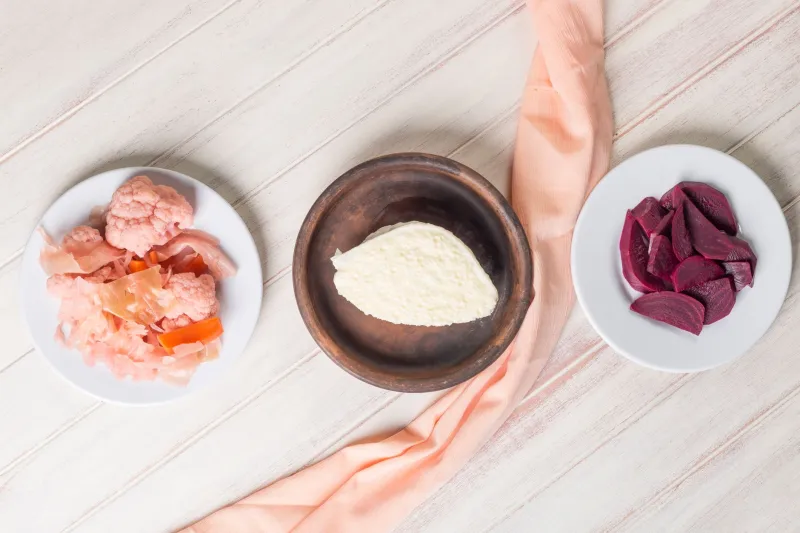
Fermented dairy — yogurt, kefir, skyr — offers a useful combination of probiotics and protein, making it one of the more straightforward additions to an athlete's diet. The protein content supports muscle recovery while the live cultures do their microbiome work simultaneously.
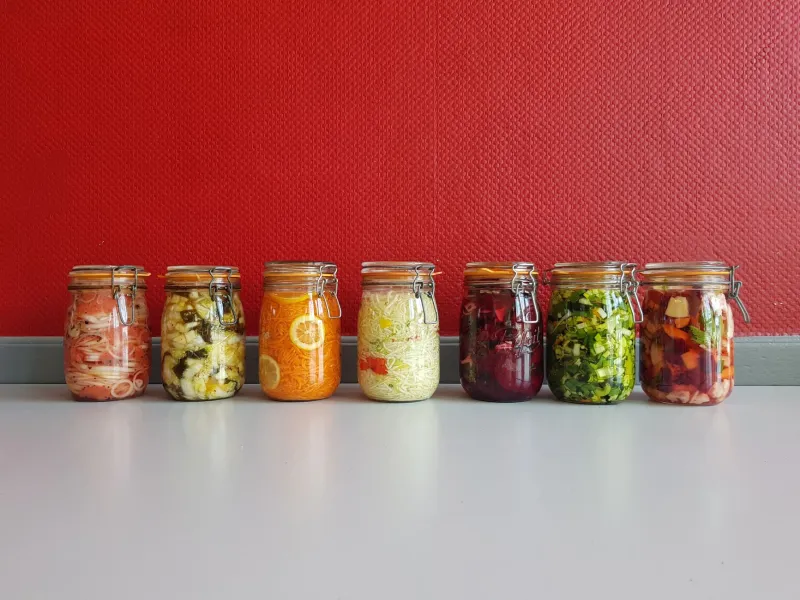
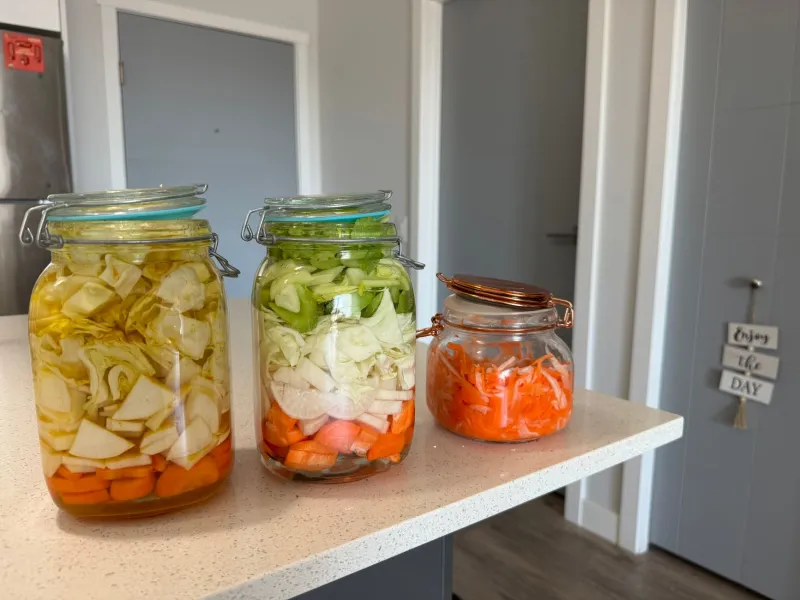
Fermented vegetables like kimchi and sauerkraut are lower in calories but high in microbial diversity. They're also rich in antioxidants, which can support the body's response to exercise-induced oxidative stress. A few tablespoons alongside a meal is enough to make a difference — you don't need to eat a bowl of kimchi after every workout.
Kombucha, while popular, is more variable. The probiotic content in commercial kombucha ranges widely depending on the brand and how it's been handled. If you're relying on kombucha as your primary fermented food source, it's worth doing some research on the specific product you're buying. Homemade kombucha, brewed with care, tends to deliver more consistent live culture counts.
Miso and tempeh — fermented soy products — deserve more attention in the athletic community than they typically get. Both are protein-rich, and miso in particular contains a broad spectrum of beneficial microorganisms. A miso-based broth or dressing is an easy, practical way to add fermented foods to a high-training diet without overhauling your entire meal plan.
The Bigger Picture
Sports nutrition has spent decades focused on what goes into the body. The gut microbiome research is starting to shift that conversation toward how the body processes what it receives — and that's a meaningful distinction.
An athlete with a diverse, well-supported microbiome isn't just healthier in a general sense. They may be absorbing more from every meal, recovering faster from every session, and managing inflammation more effectively than someone with comparable fitness levels but a compromised gut ecosystem.
That's not a small thing. That's a competitive edge hiding in plain sight.
At Hale Fermented, we've always believed that living food creates living results. For the runners, lifters, cyclists, and weekend warriors who are already paying close attention to every other variable in their performance equation, the gut microbiome is the variable that's most often left off the spreadsheet.
Time to put it back on.