Eating Your Roots: How Your Ancestors' Ferments May Have Shaped Your Gut
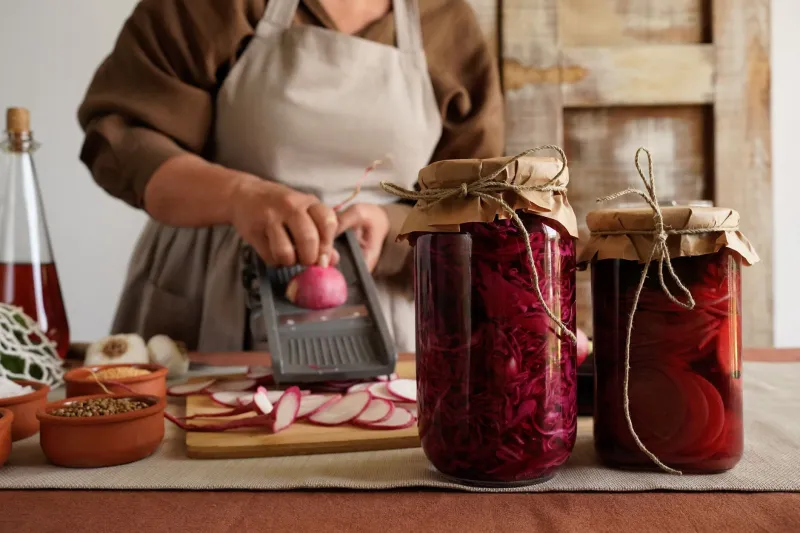
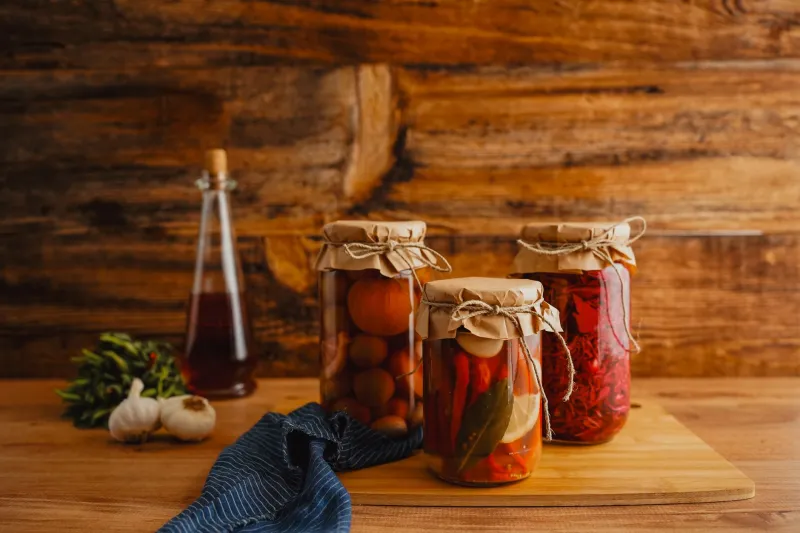
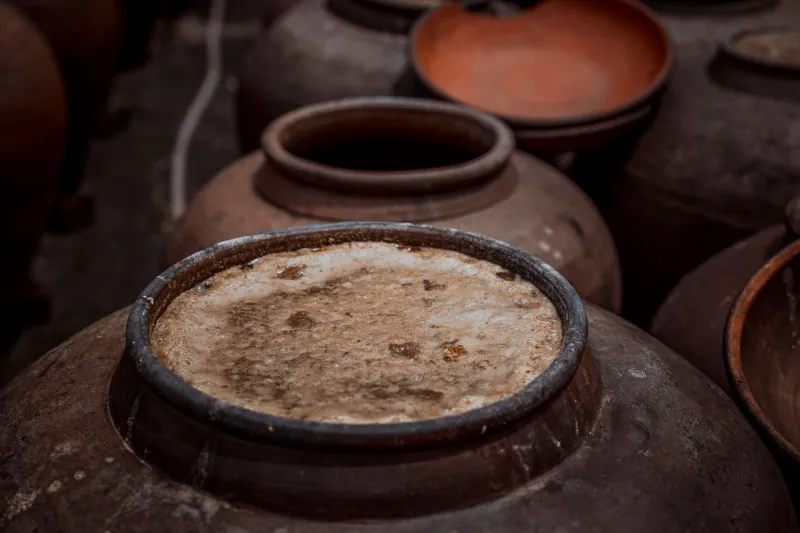
Picture your great-great-grandmother's kitchen. Wherever in the world that kitchen existed — a farmhouse in Oaxaca, a courtyard in Seoul, a cottage in County Cork, a village home in Ethiopia — there was almost certainly something fermenting in it. A crock of vegetables in brine. A souring grain porridge. A clay pot of something that smelled sharp and alive.
Now consider this: the microbial landscape of your gut today may carry an echo of that kitchen. Not metaphorically. Biologically.
The science here is still developing, but the emerging picture is genuinely fascinating — and it has real implications for how you think about which fermented foods belong in your life.
The Microbiome Doesn't Start From Scratch
For most of the modern wellness era, we've treated the gut microbiome as something to be optimized in the present tense. Take this probiotic, eat that fermented food, avoid these antibiotics. The framing is almost entirely ahistorical — as if your gut were a blank slate waiting for the right interventions.
But the gut microbiome is a multigenerational project. Research into populations with long, continuous food traditions has shown that the microbial communities within those groups tend to be specialized in ways that correspond to their traditional diets. Japanese populations carry high concentrations of bacteria containing genes for breaking down seaweed — a trait that's comparatively rare in Western guts, and one that researchers have traced to centuries of seaweed consumption. Indigenous Arctic communities have gut microbiomes adapted to metabolize marine fats in ways that would challenge a gut shaped by a grain-heavy agricultural diet.
Fermented foods are a particularly potent driver of this kind of microbial specialization. When a community eats the same fermented preparation across hundreds of generations, the organisms in those ferments don't just pass through. They interact with the immune system, compete with resident bacteria, and — over long timescales — may influence which microbial lineages get passed down through maternal transmission at birth.
Does Your Gut Remember?
This is where the science gets nuanced and where we want to be careful not to overclaim. The idea that your body is "optimized" for your ancestral ferments isn't a settled scientific fact. It's a reasonable hypothesis supported by a growing body of population-level microbiome research.
What does seem clear is this: the enzymatic and microbial infrastructure your gut relies on for digesting fermented foods was shaped, in part, by what your ancestors ate. Lactase persistence — the ability to digest lactose into adulthood — is a genetic adaptation that evolved in populations with long histories of dairy fermentation, particularly across Northern Europe and some East African pastoralist communities. It's absent or reduced in populations whose ancestors didn't practice dairy fermentation, which is why the aggressive promotion of yogurt and kefir as universal gut health solutions deserves some skepticism.
Similarly, the capacity to metabolize certain fermentation byproducts, tolerate specific biogenic amines, or benefit from particular bacterial strains may not be evenly distributed across all humans. Your ancestry could be a meaningful variable.
A Quiet Revolution in American Kitchens
For a country built on immigration, the United States holds an extraordinary archive of fermentation traditions — most of them dramatically underrepresented in the mainstream wellness conversation, which has historically centered on a fairly narrow selection of European and East Asian ferments.
Think about what's actually out there. Poi, the fermented taro preparation central to Native Hawaiian foodways. Chicha, the fermented corn beverage with roots across Indigenous Latin American cultures. Ogi and ugali ferments from West and East African traditions. Fermented black-eyed peas and the sour notes in Gullah Geechee cooking that trace back to West African fermentation practices. The pozol of southern Mexico. The fermented fish pastes carried across Southeast Asian diaspora communities.
These aren't exotic curiosities. For the millions of Americans who descend from these traditions, they represent a direct ancestral line to the fermented foods their microbiomes may have co-evolved with.
How to Actually Reconnect
If this resonates with you — and it doesn't require you to be a purist about it — here are some genuinely practical ways to start tracing your fermentation heritage.
Start with the conversation, not the recipe. If you have older relatives still living, ask them what fermented or sour foods appeared in their childhood kitchens. Not just what was made at home, but what was bought, what was eaten at celebrations, what was considered medicine. The answers often surprise people.
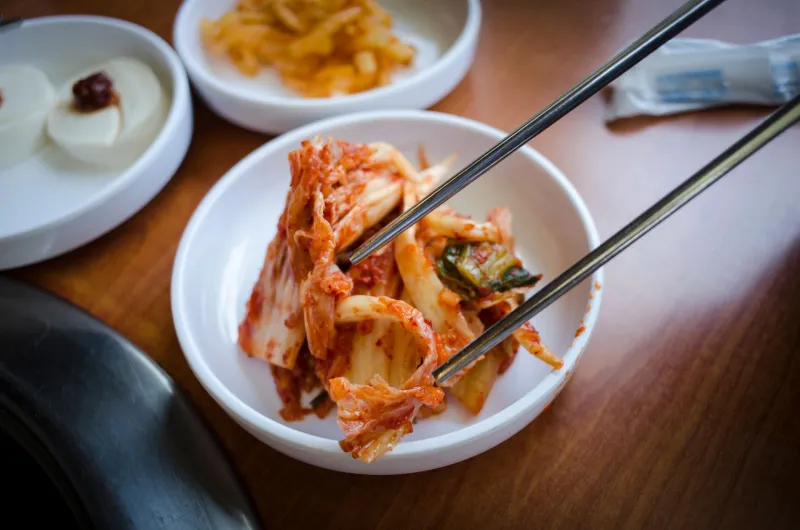
Research your regional foodways, not just your national ones. Fermentation traditions are hyperlocal. Korean kimchi varies dramatically by province. Mexican fermentation traditions differ between coastal, highland, and indigenous communities. Italian ferments from Calabria look nothing like those from Friuli. Narrowing your search to your family's specific region of origin will get you closer to what your ancestors actually ate.
Pay attention to what your body recognizes. This is less scientific and more intuitive, but it's worth noting. Many people who reconnect with ancestral ferments report a sense of ease with those foods — a digestive comfort, a satiety — that they don't always experience with trendier probiotic products. That subjective signal isn't meaningless.
Go slowly with unfamiliar ferments. Even if a ferment is ancestrally yours, if it's new to your current gut environment, introduce it gradually. Your microbiome today reflects your lived diet, not just your genetic heritage. The reconnection takes time.
Roots as a Wellness Strategy
There's something quietly radical about reframing ancestral food traditions as a form of personalized medicine. It pushes back against the one-size-fits-all probiotic industrial complex and places your cultural identity at the center of your health decisions.
At Hale Fermented, we believe that the most alive flavors are often the oldest ones — and that the foods your family carried across generations and oceans weren't just sustenance. They were information. Biological, cultural, and deeply personal.
Your gut may already know which ferments belong to it. Sometimes the most forward-thinking thing you can do is look backward.