Passed Down in a Mason Jar: The Quiet Rise of Heirloom Ferments
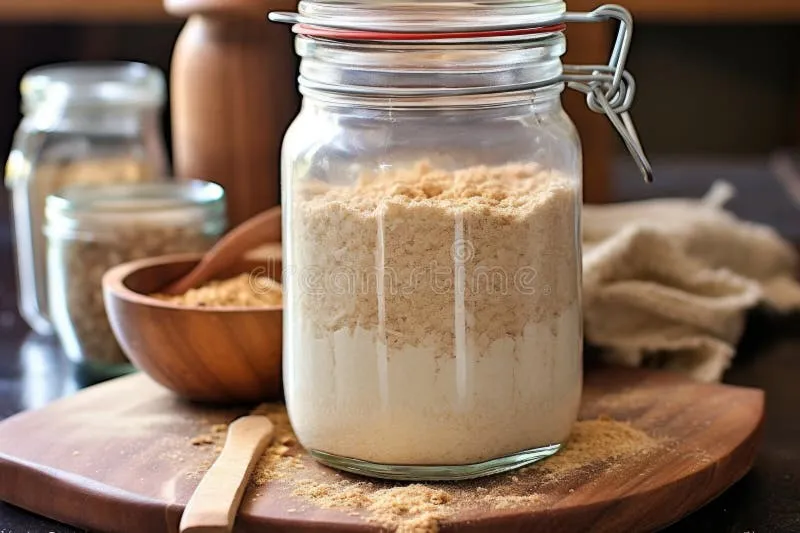
Photo: sourdough starter glass jar hands grandmother kitchen, via thumbs.dreamstime.com
There's a shoebox in my aunt's refrigerator in Ohio that matters more to her than the china. Inside, wrapped in cheesecloth, sits a sourdough starter her late father began feeding in 1978, back when he was baking bread in a garage in Youngstown. It has survived three moves, a decade of neglect in a chest freezer, and one catastrophic spill. My aunt calls it by his name.
If that sounds sentimental, consider this: it might be the most honest inheritance a family can pass down. Jewelry sits in a drawer. A starter — a living colony of yeast and bacteria, fed and tended across decades — requires something from you. It's a relationship, not an object.
The Oldest Kind of Family Recipe
Fermentation has always been communal. Before commercial yeast hit grocery shelves, bakers traded starters like currency. Kombucha SCOBYs were pressed into the hands of neighbors; kimchi brine from one batch kicked off the next. Every culture that fermented understood, even without microbiology, that the culture itself was worth keeping alive.
What's changed is how these trades happen now. Facebook groups and Reddit threads have become digital farmers' markets for heirloom cultures. People ship dehydrated sourdough flakes in padded envelopes from Portland to Tampa. A 1847-era starter from a Oregon Trail family museum circulates through thousands of home kitchens. There's even a name floating around these communities for the practice: "culture adoption."
And honestly? It tracks. In an era when most of what we inherit is digital — passwords, photo libraries nobody will ever open — there's something radical about receiving something that will die if you don't care for it.
Why an Heirloom Culture Beats a Store-Bought One
Beyond the sentiment, there's a practical argument. Old, continuously maintained starters tend to be stable. The microbial communities in a well-tended sourdough culture have had years — sometimes decades — to settle into a reliable balance. Your loaf behaves predictably. Your kombucha ferments at a consistent pace. A starter that has survived forty Ohio winters has proven its resilience in a way a packet of commercial yeast never will.
There's also the flavor of continuity. Bakers who work with long-lived starters often describe notes they can't quite replicate with a fresh culture — a certain tang, a certain depth. Whether that's microbiology or memory is up for debate. Both are fine answers.
How to Gift, Ship, and Keep a Culture Alive
If you're thinking about starting your own lineage of living ferments, here's the field guide:
Gifting a sourdough starter. Scoop a cup of active starter into a clean jar, leave the lid loose (it needs to breathe), and hand it over with feeding instructions written down. Paper. Ink. Trust me.
Shipping one across state lines. Dry a thin layer of starter on parchment or wax paper overnight, break it into flakes, and mail them in a zip-top bag with a printed revival guide. Dried starters survive the USPS remarkably well and rehydrate within a few days of flour-and-water feedings.
Passing along a SCOBY. Kombucha mothers travel easily in a jar with a cup of finished brew, sealed for the journey and opened promptly. Include a note about brewing temperature — SCOBYs are hardy, but not invincible.
Keeping the lineage going. The single biggest killer of heirloom cultures is not neglect. It's the death of the person who knew what it was. Label everything. Write down what it is, where it came from, and when it started. Future generations of your family — or the stranger who adopts it online — deserve to know.
More Than Bread
My aunt's starter has outlived the man who fed it. Every loaf she bakes is, in a very literal sense, made with his microbes. That's a strange and beautiful thing to sit with.
We talk a lot in this space about gut health and probiotics, and fair enough — the science is real and worth understanding. But fermentation's deepest gift was never clinical. It was always this: a way of keeping something alive together, one feeding at a time, across kitchens and generations and state lines.
So the next time someone offers you a jar of something cloudy and alive, think twice before you say no. You might be turning down your inheritance.