Pass the Kraut, Dodge the Commentary: Surviving the Great Fermented Foods Divide at Thanksgiving

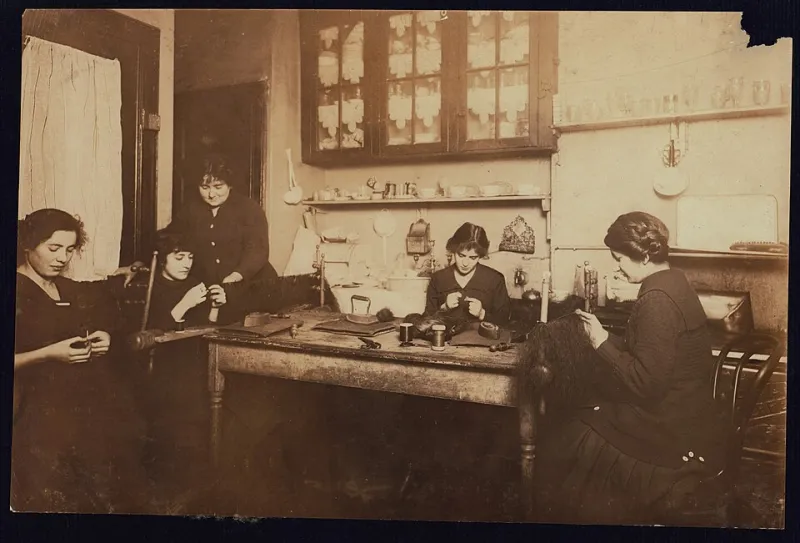
Photo: Sgt. April Campbell, Public domain, via Wikimedia Commons
Somewhere between the turkey and the pie, it happens. You set down your small dish of homemade kimchi — a contribution, you thought, a point of pride — and a relative squints at it and delivers the verdict:
"What is that, rotten cabbage?"
Welcome to the holiday table reckoning, where America's fermentation revival meets its toughest audience: family.
Two Definitions of 'Gone Bad'
Here's what makes the divide so stubborn: both generations are being rational.
For older Americans who came of age with pasteurization as a triumph, refrigeration as a given, and shelf-stable everything as progress, a bubbling jar reads as a failure of food safety. Funk meant spoilage. Spoilage meant waste, or worse, sickness. That instinct kept people safe for decades.
Millennials and Gen Z grew up on the other side of that arc. Fermentation shows up in their feeds as gut health science, as a sustainability practice, as a heritage craft. The funk isn't a red flag — it's the point.
Neither side is wrong about their own experience. They're just working from different definitions of the same smell.
The Irony Nobody Mentions
Here's the part worth bringing up (gently) at dinner: plenty of the foods the skeptics love are fermented. Yogurt in the fridge. That sourdough starter someone's been feeding since 2020. Pickles, sauerkraut on the Reuben, soy sauce in the marinade, even the beer in the garage.
Fermentation never left the American table. It just stopped being something we did ourselves, and the marketing language around it changed from 'preservation' to 'probiotics.' Your grandmother's relish tray and your kombucha SCOBY are cousins. The generational fight is mostly about vocabulary.
How to Win the Table (Or At Least Not Lose It)
A few field-tested strategies from fermenters who've survived many a holiday:
Don't lead with health claims. Nothing shuts down a boomer uncle faster than a lecture about microbiome diversity. Lead with taste. "It's got a kick — try it with the ham" works better than any talk of lactobacillus.
Serve it as a condiment, not a course. A small bowl on the relish tray reads as tradition. A pint jar at your place setting reads as a statement. Fermented foods have always been condiments — hot sauce, anyone? Meet people where their habits already are.
Have a story ready. "My friend's grandmother taught me this recipe — her family's made it for three generations" disarms skepticism in a way no study citation can. Heritage is the universal love language at family dinners.
Know when to fold. Some relatives will never try it, and that's fine. The goal isn't conversion. It's coexistence — your kimchi and their canned cranberry sauce, sharing a table, agreeing to disagree.
The Long Game
Here's our prediction: in twenty years, this fight will look quaint. Fermented foods are following the same arc as yogurt, sushi, and craft beer — foods that seemed weird to one generation and became completely ordinary to the next. The kids at this year's Thanksgiving table are watching you eat your 'rotten cabbage' with curiosity, not judgment.
And when one of them asks for a taste, slide the jar over. That's how every food tradition in this country took root — one brave bite at a time, usually at a family table.
Pass the kraut. Dodge the commentary. And save us a seat next year, when the conversation might sound a little different.